
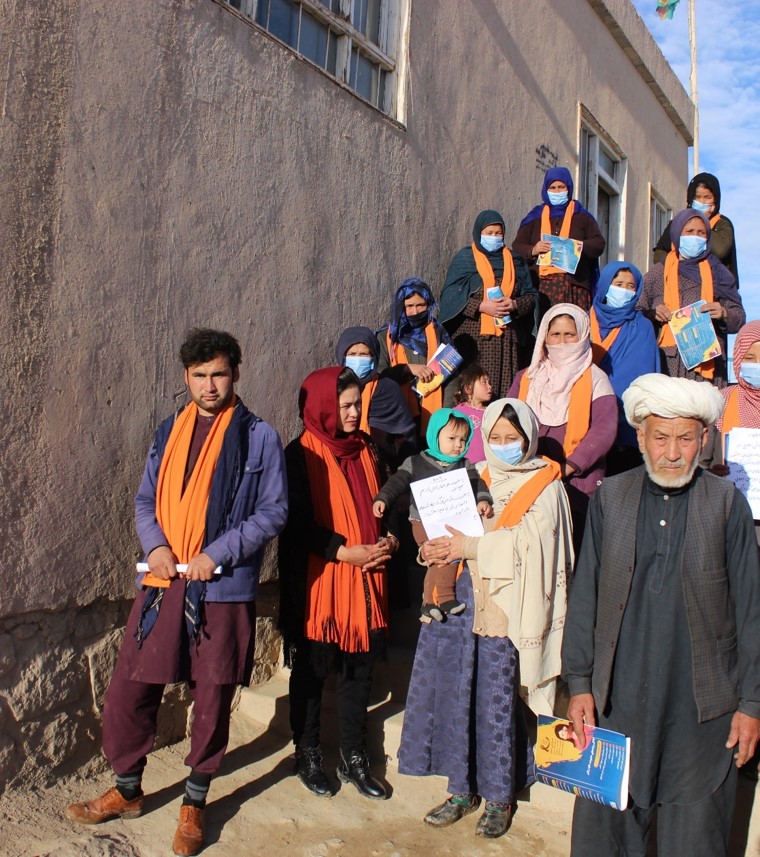
Between 2024 and 2026, with support from AmplifyChange (Strengthening Round 8), the organization implemented comprehensive programs aimed at empowering nomadic communities, disability advocates, and other vulnerable populations on sexual and reproductive health and rights (SRHR). These initiatives included leading multi-level awareness campaigns, conducting capacity-building trainings for healthcare providers, and designing and delivering protection services tailored for women and girls at risk. Through these interventions, the organization strengthened community understanding of SRHR, enhanced the skills and responsiveness of local health actors, and ensured that vulnerable groups had improved access to essential health, protection, and support services. In addition, the programs fostered community advocacy, resilience, and sustainable participation to create lasting impact at both the individual and community levels.
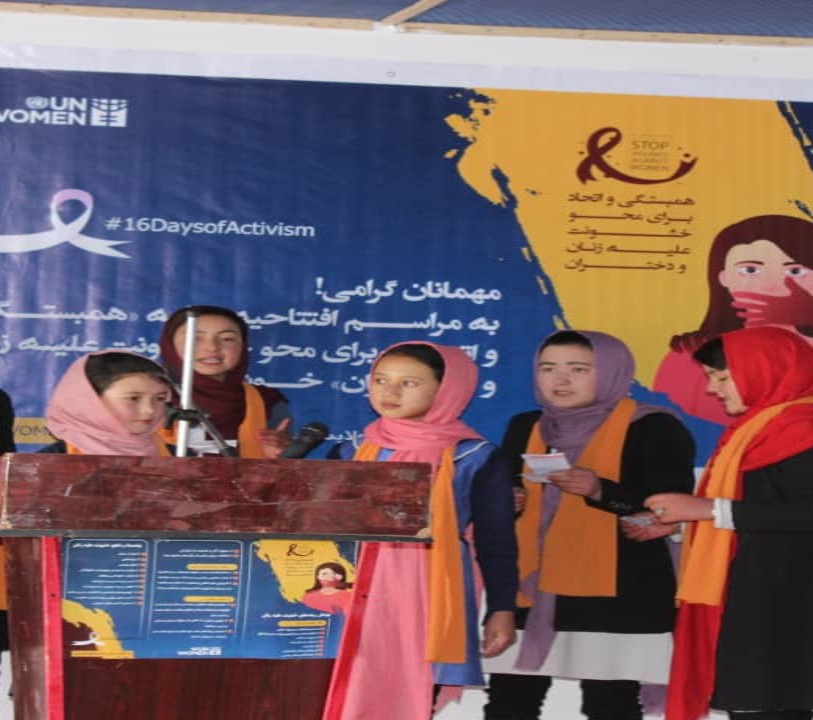
Supported by the Norwegian Human Rights Fund (NHRF) from 2023 to 2024, the organization implemented initiatives in Bagrami District, Afghanistan, to protect girls at risk of child marriage. These initiatives included organizing community awareness sessions, training local leaders and teachers, and developing IEC materials to inform and engage communities. Targeted protective measures were carried out to safeguard vulnerable girls, while local actors gained enhanced skills and knowledge to continue promoting child protection. The program strengthened community understanding, enhanced local capacity, and established sustainable protective practices that contribute to the long-term well-being of girls.
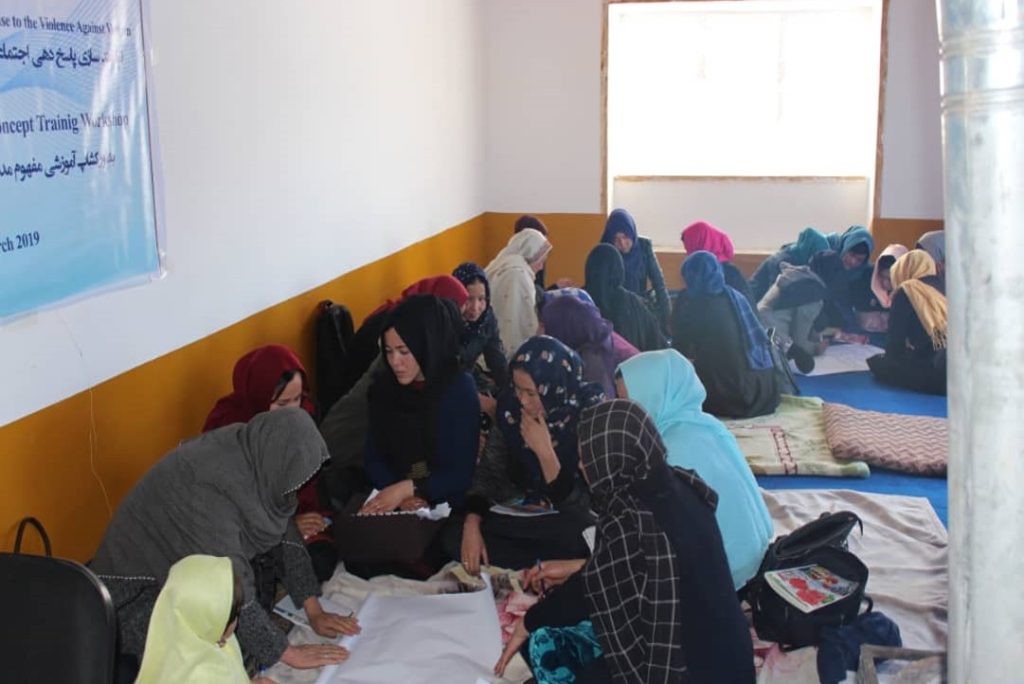
With support from CICA between 2022 and 2023, the organization implemented initiatives in Samangan Province to enhance access to education and empower girls, particularly in underserved communities. The programs established community classes, trained and mentored local teachers, and provided targeted support to girls’ learning, including educational materials and guidance to help overcome social and cultural barriers. By creating a protective and inclusive learning environment, the organization strengthened girls’ participation and retention in school, promoted community awareness on the importance of girls’ education, and enhanced the capacity of local educators to continue supporting learners. These interventions also fostered long-term community engagement, empowerment, and resilience, ensuring sustainable impact on education outcomes and the well-being of girls.
Supported by ICIMOD between 2022 and 2023, the organization implemented initiatives across Afghanistan to promote women-led green jobs and climate adaptation. Activities included establishing women’s cooperatives, conducting climate adaptation workshops, and providing capacity-building training to women to enhance their skills and livelihoods. The programs not only strengthened women’s empowerment and protection but also enhanced community resilience to climate challenges, enabling women to actively participate in sustainable environmental practices. By combining economic opportunities with climate awareness, the organization fostered long-term empowerment, leadership, and sustainable engagement of women in their communities.
During 2021–2022, in partnership with the Peace Training and Research Organization (PTRO), the organization undertook comprehensive research to explore social dynamics and resilience in Afghan communities, with a focus on women at risk. The work involved conducting baseline surveys, analyzing resilience trends, and generating actionable insights to guide policy and program interventions. Findings from the research helped highlight community needs, inform decision-making, and support targeted strategies to strengthen protection and resilience among vulnerable women. By connecting evidence to practice, the initiative contributed to sustainable and measurable improvements in social programming.
In 2021, in collaboration with the Danish Refugee Council (NRC), the organization implemented community-based disaster risk reduction initiatives across Afghanistan, focusing on vulnerable women and other at-risk populations. The interventions included disaster preparedness activities, mitigation planning, and the establishment of community-level support mechanisms to enhance protection and social cohesion. These efforts not only strengthened local resilience but also empowered communities to respond effectively to crises, fostering sustainable social networks and protective environments for the most vulnerable groups.
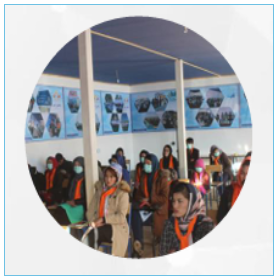
During 2022, in partnership with the UNICEF Afghanistan Office, the organization implemented targeted education programs to support returnee children, with a particular focus on vulnerable girls, in Kabul and Nangarhar Provinces. The initiatives delivered accelerated learning programs, trained and mentored teachers, and distributed tailored learning kits to help students overcome gaps caused by displacement. By fostering a protective and supportive learning environment, the program enhanced girls’ participation and retention in school, strengthened the capacity of local educators, and promoted community awareness on the importance of education for returnee children. These interventions contributed to long-term educational opportunities, social integration, and improved well-being for vulnerable populations.
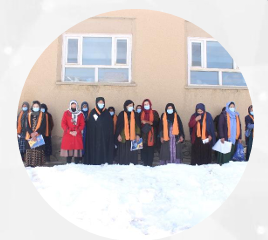
From 2020 to 2021, in collaboration with GIZ (German Development Cooperation), the organization implemented community-led sustainable agriculture and reforestation initiatives across Afghanistan. The programs emphasized the inclusive participation of women, combining environmental restoration with climate adaptation strategies. Activities included tree planting, community mobilization, and awareness-raising on climate-resilient practices, fostering environmental resilience and social cohesion at the community level. These interventions not only strengthened local capacity for sustainable land management but also promoted women’s engagement in decision-making and community leadership, contributing to long-term ecological and social impact.
Between 2019 and 2020, in partnership with Roots of Peace (EU-funded), the organization implemented women-focused climate resilience and livelihood initiatives across rural communities in Afghanistan. The interventions included women-led greenhouse pilots, community mobilization, and capacity-building activities to enhance adaptive skills and promote inclusive decision-making at the local level. By integrating economic empowerment with climate adaptation, the programs strengthened community cooperation, improved sustainable livelihoods, and enhanced the resilience of women and families against environmental challenges. These initiatives contributed to long-term social and economic empowerment, enabling women to actively participate in shaping sustainable and resilient rural communities.
Focusing on enhancing community resilience and sustainable management of natural resources, the organization implemented programs across Afghanistan from 2018 to 2020 in partnership with the World Bank / ARTF (subgrant). The initiatives aimed to reduce climate risks, strengthen social cohesion, and promote inclusive governance, actively engaging women and marginalized groups in planning and decision-making. Activities included watershed restoration, sustainable land use planning, and capacity-building on natural resource management practices. These efforts fostered equitable participation, strengthened local governance structures, and contributed to long-term environmental sustainability, social cohesion, and community empowerment, ensuring vulnerable populations have a meaningful role in protecting and managing critical resources.
Contacts Us

Dana and Tawana Organization (DTO) is a community-based non governmental organization established in 2015.
Quick Links
Our Gallery
© Copyrights 2025 DTO, All Right Reserved.Powered by MSOFT Technologies.